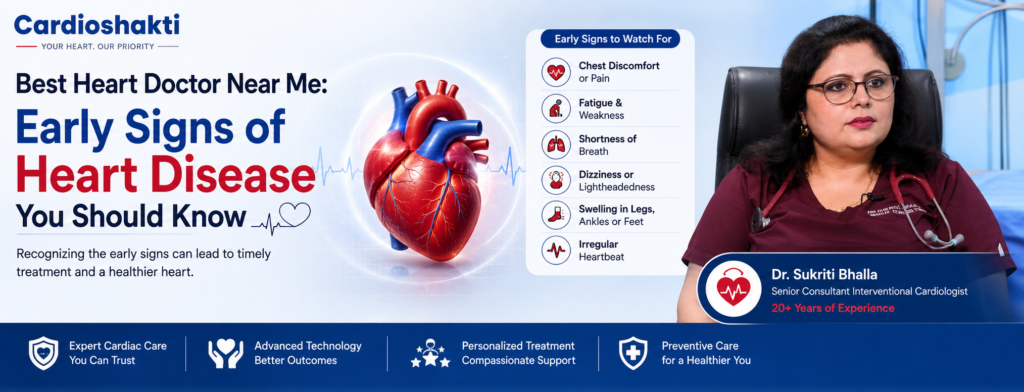
Heart disease may develop silently for years before noticeable symptoms become apparent. This makes early detection an important part of protecting your long-term health. If you are searching for the best heart doctor near me, you may already be thinking about your heart health or looking for the right specialist for a check-up. A qualified cardiologist can assess your risk, recognise warning signs and recommend suitable tests when needed. Early heart disease detection is not only about treating an existing problem. It is also about understanding your risk factors and taking action before a condition becomes more serious.
High blood pressure, high cholesterol, diabetes, smoking, obesity, stress, and a family history of heart disease can all affect cardiovascular health. A heart specialist can bring these factors together to create a clearer picture of your heart health. They may also recommend regular monitoring based on your age, symptoms and medical history.
Understanding when to see a cardiologist and what to expect from an evaluation can make heart care less confusing. It can also help you take sensible steps towards protecting your heart for years to come.
Why Early Detection of Heart Disease Matters: Insights from the Best Heart Doctor Near Me
Heart disease remains a major health concern because some cardiovascular conditions can progress without clear warning signs. A person may feel generally well while risk factors gradually affect the heart and blood vessels.
Early detection allows the best heart doctor near me to identify potential concerns before complications develop. It does not mean that every person needs extensive testing. Instead, a cardiologist can decide which assessments are appropriate based on individual risk.
For example, consistently high blood pressure can place extra strain on the heart. High cholesterol can contribute to the build-up of fatty deposits in arteries. Diabetes can also increase cardiovascular risk over time.
Recognising these issues early allows patients to discuss appropriate management with their doctor.
Common Risk Factors That Should Not Be Ignored
Several factors can increase the likelihood of developing heart disease. These include:
- High blood pressure
- High cholesterol
- Diabetes
- Smoking or tobacco use
- Being overweight or obese
- Physical inactivity
- Excessive alcohol consumption
- Long-term stress
- Poor dietary habits
- A strong family history of heart disease
- Increasing age
Having one risk factor does not automatically mean you have heart disease. However, several risk factors together may require closer attention.
This is why routine cardiovascular assessments commenced with a best heart Surgeon
near me can be useful, particularly for people with a higher risk profile.
Heart Disease Can Occur Without Obvious Symptoms
Many people associate heart problems with severe chest pain, but symptoms can vary widely. However, cardiovascular conditions can sometimes have subtle or unusual symptoms.
Some people may experience breathlessness, unusual tiredness, dizziness, palpitations, or reduced exercise tolerance. Others may have no noticeable symptoms at all.
This makes preventive care particularly valuable. A medical assessment can uncover risk factors that may otherwise go unnoticed.
What Does the Best Heart Doctor Near Me Look for During an Evaluation
Finding the best heart doctor near me should involve more than choosing the closest clinic. The right cardiologist should take time to understand your symptoms, medical history, lifestyle, and cardiovascular risk.
During an initial consultation, the doctor may ask about your current health and any symptoms you have noticed. They may also ask about previous illnesses, medications, family history, and lifestyle habits.
Your blood pressure, pulse and other basic measurements may also be reviewed. The aim is to understand your overall cardiovascular health rather than focusing on one isolated symptom.
Reviewing Your Personal and Family History
Family history can provide useful information when assessing heart disease risk. If close relatives have experienced heart attacks, strokes or certain heart conditions at a young age, the best heart doctor near me may consider this during the assessment.
Your personal history is equally important. Previous high blood pressure, diabetes, high cholesterol, or other health concerns can influence your cardiovascular risk.
Being honest about smoking, diet, exercise and stress is also helpful. These details allow the cardiologist to provide more relevant guidance.
Understanding Your Symptoms
Symptoms can provide important clues, but they should always be assessed in context. For example, chest discomfort may have several possible causes. Breathlessness can also result from different conditions. Palpitations may be occasional and harmless in some people but may require investigation in others.
A female cardiologist in Palam can assess the nature, frequency, and severity of symptoms before deciding whether further tests are appropriate.
Which Tests Performed by the Best Heart Doctor Near Me Can Help Detect Heart Problems Early
There is no single test that can identify every type of heart disease. The appropriate investigation depends on your symptoms, risk factors, and clinical assessment. The best heart doctor near me may recommend tests when there is a specific reason to investigate further.
Blood Pressure and Cholesterol Checks
Blood pressure measurement is one of the simplest ways to assess cardiovascular risk. Persistently elevated blood pressure can increase the workload placed on the heart and blood vessels.
Cholesterol testing can also provide useful information. High levels of certain cholesterol particles can contribute to plaque formation in the arteries. Regular monitoring can help identify these concerns early.
Electrocardiogram
An electrocardiogram, commonly called an ECG, records the electrical activity of the heart. It can provide information about heart rhythm and certain patterns associated with cardiac problems.
An ECG may be considered when someone has symptoms such as palpitations, chest discomfort or unexplained dizziness. However, an ECG is only one part of a cardiac assessment. A doctor interprets the results alongside symptoms and other findings.
Echocardiogram
An echocardiogram uses ultrasound waves to produce detailed images of the heart. It can help the best heart doctor near me assess the heart’s structure and how effectively it is functioning.
Depending on the circumstances, it may provide information about the heart chambers, valves, and pumping function.
Exercise Stress Testing
An exercise stress test assesses how the heart responds to physical activity. It may be considered when symptoms appear during exertion or when a doctor needs additional information about cardiovascular function.
Not everyone requires this test. The decision depends on the individual’s clinical situation.
Other Cardiac Investigations
Depending on the suspected condition, a cardiologist may consider additional investigations. These could include ambulatory heart rhythm monitoring or advanced cardiac imaging.
The key point is that testing should be guided by medical assessment. More tests do not always mean better care.
When Should You Search for the Best Heart Doctor Near Me
Knowing when to consult the best heart doctor near me can help prevent unnecessary delays. You do not always need to wait for severe symptoms before seeking professional advice.
If you have persistent chest discomfort, unexplained breathlessness, frequent palpitations, fainting, or unusual fatigue, speak with a healthcare professional.
You should also consider cardiovascular evaluation if you have several heart disease risk factors.
Symptoms That May Need Cardiac Assessment
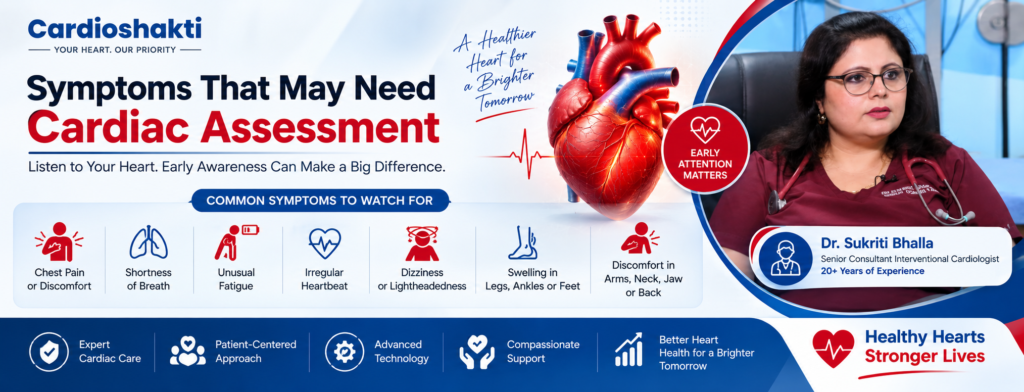
Potential warning signs can include:
- Chest pressure, tightness or discomfort
- Breathlessness during activity or at rest
- Unexplained dizziness
- Fainting or near-fainting
- Recurrent palpitations
- Unusual tiredness
- Reduced ability to exercise
- Swelling in the legs or ankles
These symptoms can have many causes. They do not automatically indicate heart disease.
However, they should not simply be ignored, particularly when they are new, persistent or becoming worse.
If severe chest pain, significant breathing difficulty, fainting or other potentially serious symptoms occur suddenly, seek urgent medical attention rather than waiting for a routine appointment.
People Who May Benefit From Preventive Cardiac Care
Preventive assessment can be particularly useful for people with high blood pressure, diabetes, high cholesterol or a strong family history of cardiovascular disease.
People who smoke or have a sedentary lifestyle may also benefit from discussing their cardiovascular risk with a healthcare professional.
Even when you feel healthy, knowing your risk profile can help you make informed decisions about diet, exercise and other lifestyle factors.
How the Best Heart Doctor Near Me Supports Long-Term Heart Health
Early detection is only one part of cardiovascular care. Once risk factors or a heart condition have been identified, ongoing management becomes important.
The best heart doctor near me can help explain your results and discuss suitable next steps. These may include lifestyle improvements, medication, monitoring or additional investigations, depending on your circumstances.
Creating a Personalised Heart Health Plan
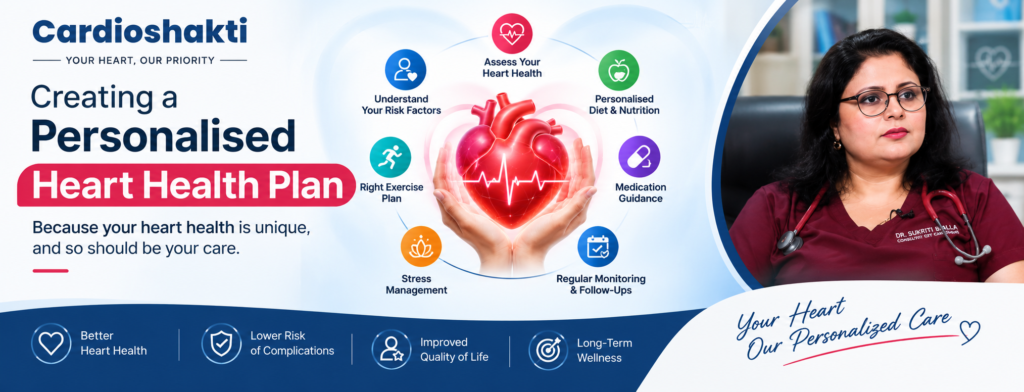
There is no universal approach to cardiovascular prevention. Your age, health history, symptoms, family history and lifestyle all matter.
A personalised plan may focus on maintaining healthy blood pressure and cholesterol levels. It may also include regular physical activity, a balanced diet, weight management and smoking cessation.
Your doctor can help determine which changes are most appropriate for you.
Monitoring Changes Over Time
Heart health can change as you age. Risk factors can also change due to lifestyle, stress, illness or other circumstances.
Regular monitoring allows your doctor to compare results over time. This can make it easier to recognise important changes.
For example, a gradual rise in blood pressure or cholesterol may encourage earlier intervention.
Building Better Everyday Habits
Cardiac care does not stop when you leave the clinic. Everyday habits have an important role in maintaining cardiovascular health.
A balanced diet can support healthy cholesterol and blood pressure levels. Regular physical activity can improve cardiovascular fitness. Adequate sleep and effective stress management may also support overall wellbeing.
If you smoke, stopping can provide significant benefits for cardiovascular health.
The goal is not to make unrealistic changes overnight. Small, consistent improvements can become sustainable habits.
How to Prepare for a Heart Consultation Provided by the Best Heart Doctor Near Me
A little preparation can make your appointment more productive. Before visiting the best heart doctor near me, make a note of any symptoms you have experienced.
Record when they started, how often they occur, and whether anything triggers them. You should also bring details of medicines and supplements you currently take. If possible, note any previous test results that may be relevant.
End Notes
Finding the best heart doctor near me can be an important step towards understanding and protecting your cardiovascular health. Early assessment can help identify risk factors, recognise possible warning signs, and determine whether further testing is appropriate.
Regular check-ups can be particularly valuable when you have risk factors such as high blood pressure, diabetes, high cholesterol, a smoking history, or a family history of heart disease. Healthy lifestyle habits also remain an important part of prevention.
If you are searching for expert cardiac care, then you can rely on us at CardioShakti. We offer professional heart health services focused on timely evaluation, accurate diagnosis, and personalised care. Visit our website now to learn more about our cardiac care services and take a proactive step towards protecting your heart.
FAQs
1. Can a cardiologist detect heart disease before symptoms appear?
Yes. A cardiologist can assess risk factors, medical history, and appropriate test results to identify potential cardiovascular problems before noticeable symptoms develop.
2. How often should I have my heart checked?
The frequency depends on your age, health history, symptoms, and cardiovascular risk factors. Your doctor can recommend a suitable monitoring schedule for you.
3. Which tests are commonly used to check heart health?
Depending on your circumstances, a doctor may recommend blood pressure checks, cholesterol testing, ECG, echocardiography, stress testing or other investigations.
4. Can healthy people still develop heart disease?
Yes. Some people develop cardiovascular disease despite feeling healthy. Family history, age, lifestyle and underlying risk factors can influence individual cardiovascular risk.
5. When should chest discomfort be checked by a doctor?
New, persistent or unexplained chest discomfort should receive medical attention. Severe or sudden symptoms require urgent assessment rather than waiting for a routine appointment.