Heart health plays an important role in overall wellbeing. Many heart conditions can develop slowly without obvious warning signs. Regular screening can help identify potential concerns before they become serious. Searching for the best heart doctor near me can therefore be a useful first step towards taking better care of your heart. Routine heart check-ups are not only for people with existing heart problems. They can also benefit adults who have risk factors such as high blood pressure, diabetes, high cholesterol, smoking habits, or a family history of heart disease.
A doctor can assess these risks and suggest suitable tests based on individual needs. Regular screening can also help people understand their current cardiovascular health. It provides an opportunity to discuss lifestyle habits, symptoms, medications, and other concerns with a qualified professional. Furthermore, early identification of certain risk factors may allow suitable changes to be made sooner.
This blog explains how regular heart screening can support long-term heart health. It also explores what screenings may involve, who may benefit from them, and how to prepare for a heart health appointment.
Why Regular Heart Screening Matters: Insights from the Best Heart Doctor Near Me
Heart disease can sometimes progress without noticeable symptoms. A person may feel healthy while having high blood pressure or cholesterol. Screening can help detect these issues during routine medical care. Regular assessments provide a clearer picture of cardiovascular health. The best heart doctor near me can review several factors together rather than focusing on one measurement. These may include blood pressure, cholesterol levels, blood sugar, weight, lifestyle, and family history.
Early awareness can also encourage healthier decisions. For example, a person with elevated cholesterol may discuss dietary changes or other treatment options with their doctor. Someone with high blood pressure may benefit from monitoring and appropriate management. Regular screening does not guarantee that every heart condition will be detected. However, it can support risk assessment and encourage timely medical attention when concerns arise.
Identifying Heart Disease Risk Factors
Several factors can affect the risk of cardiovascular disease. Some are within our control, while others are not.
Common risk factors include:
- High blood pressure
- High cholesterol
- Diabetes
- Smoking
- Physical inactivity
- Excess weight
- Unhealthy eating patterns
- Excessive alcohol consumption
- Family history of heart disease
- Increasing age
Understanding these factors can help people take practical steps towards better heart health.
What Happens During a Heart Health Screening
A heart screening can vary depending on a person’s age, symptoms, medical history, and risk factors. The best heart doctor near me usually begins by discussing general health and any symptoms. The consultation may include questions about chest discomfort, breathlessness, dizziness, palpitations, tiredness, and exercise tolerance. Lifestyle habits may also be discussed. The doctor may then check blood pressure, heart rate, weight, and other basic measurements.
Blood tests may be recommended to assess cholesterol or blood glucose levels. Further investigations are not always necessary for everyone. If there are specific symptoms or risk factors, the doctor may recommend additional tests. These could include an electrocardiogram, echocardiogram, stress testing, or other cardiac investigations. The choice depends on the individual’s circumstances.

Who Should Consider Regular Heart Screening
The right screening schedule may vary for each individual. Adults with known cardiovascular risk factors may benefit from regular assessments. People with a family history of heart disease may also need closer monitoring. Certain inherited conditions can increase cardiovascular risk, making regular medical reviews important. People who smoke, have diabetes, or have persistent high blood pressure should discuss heart health screening with their doctor.
Regular checks may also be useful for people who have experienced symptoms such as recurring chest discomfort, unexplained breathlessness, or unusual tiredness. However, screening should be personalised. A doctor can determine which checks are appropriate based on age, health history, symptoms, and existing risk factors.
How the Best Heart Doctor Near Me Can Support Preventive Care
The best heart doctor near Delhi can provide guidance that goes beyond individual test results. They can help patients understand their overall cardiovascular risk and develop appropriate strategies for managing it. A consultation may cover diet, exercise, weight management, smoking cessation, sleep, stress, and medication where appropriate.
For people with existing conditions, regular appointments can also help monitor progress. Doctors may adjust management plans based on symptoms, test results, or changes in health. Furthermore, specialist advice can help patients understand when further investigations may be appropriate.

Lifestyle Habits That Support Heart Health
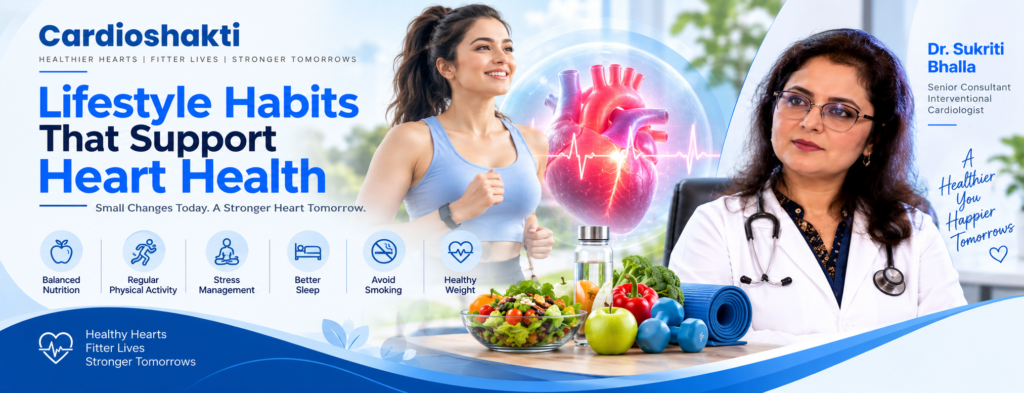
Screening is only one part of cardiovascular prevention. Everyday habits can also influence heart health. A balanced diet can support healthy cholesterol and blood pressure levels. Meals can include vegetables, fruit, whole grains, pulses, lean protein, and suitable sources of healthy fats.
Regular physical activity is also important. Adults should aim to remain active according to their individual abilities and medical circumstances. Avoiding smoking is another important step. Smoking can damage blood vessels and increase cardiovascular risk. Alcohol intake should also be within recommended limits. Good sleep and effective stress management can further support overall wellbeing.
When to Seek Medical Advice About Heart Symptoms
Regular screening is useful, but certain symptoms require prompt medical attention. Symptoms that should not be ignored include chest pain or pressure, severe breathlessness, fainting, sudden weakness, or unexplained sweating accompanied by discomfort. Some heart problems can present differently in different people. Symptoms may also be mistaken for less serious conditions.
If someone experiences sudden or severe symptoms, they should seek urgent medical care from the best cardiologist near me rather than waiting for a routine screening appointment. People with recurring but less severe symptoms should also arrange an appropriate medical assessment.
How to Prepare for a Heart Health Appointment
Preparing for an appointment can make the consultation more useful. Before visiting a doctor, consider making a list of current medicines, supplements, previous medical conditions, and known allergies. It can also help to record any symptoms and when they occur. Include information about exercise, meals, sleep, or other situations that appear to trigger symptoms.

Bring previous test results if they are available. This can help the doctor compare current findings with earlier measurements. You may also wish to prepare questions about your cardiovascular risk, recommended tests, lifestyle changes, or follow-up schedule.
Questions to Ask the Best Heart Doctor Near Me
Patients can ask questions such as:
- What are my main cardiovascular risk factors?
- Which heart screening tests do I need?
- How often should I have my heart health checked?
- Are my blood pressure and cholesterol levels healthy?
- Should I make any lifestyle changes?
- Do I need further cardiac investigations?
- When should I return for a follow-up?
Clear communication from the best heart doctor near me can help patients understand their health and participate more actively in their care.
How Regular Screening Can Support Long-Term Heart Health
Regular screening provides an opportunity to monitor cardiovascular health over time. It can help identify certain risk factors and encourage timely discussions about prevention. The value of screening is not limited to detecting disease. It can also improve awareness. When people understand their blood pressure, cholesterol, blood sugar, weight, and family history, they may be more aware of their cardiovascular risk.
Furthermore, regular consultations provide opportunities to review lifestyle habits and address changes in health. For people already managing cardiovascular conditions, ongoing appointments can support monitoring and treatment planning. However, screening should always be tailored to individual needs. Not everyone requires the same tests or appointment frequency.
Choosing the Best Heart Doctor Near Me
Choosing the best heart doctor near me is an important part of maintaining cardiovascular health. Patients can consider the doctor’s qualifications, areas of expertise, experience, approach to patient communication, and access to appropriate diagnostic facilities.
It is also helpful to choose a doctor who explains medical information clearly. Understanding your condition and treatment options can make healthcare decisions easier. If you are searching online for a heart specialist for regular cardiac screening, consider checking professional credentials and the services available before arranging an appointment. A suitable specialist can help you understand which assessments are appropriate for your situation.
Final Thoughts
Regular heart screening can play an important role in maintaining cardiovascular health. It can help identify certain risk factors, monitor changes, and encourage timely discussions about prevention and treatment. Finding the best heart doctor near me can make it easier to access professional guidance and maintain regular check-ups. However, the right screening schedule depends on individual factors such as age, symptoms, medical history, and cardiovascular risk.
If you are looking for professional cardiac care and regular heart assessments, then you can rely on us at CardioShakti. We provide dedicated cardiac care and professional guidance to help patients take informed steps towards better heart health. To learn more about our curated solutions, visit our website now.
FAQs
1. How often should I have a heart health screening?
Screening frequency depends on your age, medical history, symptoms, and risk factors. Your doctor can recommend an appropriate schedule based on your individual cardiovascular needs.
2. Can heart disease exist without noticeable symptoms?
Yes, some cardiovascular risk factors, including high blood pressure and cholesterol, may develop without obvious symptoms. Regular health checks can help identify these concerns.
3. What tests may be included in heart screening?
Depending on your circumstances, screening may include blood pressure checks, blood tests, an ECG, an echocardiogram, stress testing, or other investigations.
4. Who should consider regular cardiovascular screening?
Adults with high blood pressure, diabetes, high cholesterol, smoking habits, family history, or concerning symptoms should discuss suitable cardiovascular screening with their healthcare professional.
5. Can lifestyle changes improve heart health?
Yes, healthy eating, regular physical activity, avoiding smoking, maintaining a suitable weight, managing stress, and following medical advice can support cardiovascular health.