Finding the best weight loss centre in Dwarka involves more than checking weight-loss promises. A good programme should consider your overall health, daily habits, medical history, and heart health. Weight management and cardiovascular health are closely connected. Excess weight can increase the risk of high blood pressure, abnormal cholesterol, insulin resistance, diabetes, and heart disease. For this reason, a weight-loss plan should not focus only on the number shown on the weighing scale.

It should also support healthier blood pressure, blood sugar, cholesterol levels, physical activity, nutrition, sleep, and long-term habits. A medically guided approach can help identify health factors that may affect weight management. It can also make the process more structured and suitable for individual needs. Furthermore, weight loss does not need to involve extreme diets or exhausting workouts.
Sustainable changes can support both weight management and cardiovascular wellbeing. Even modest weight loss can offer meaningful health benefits for people carrying excess weight. In this blog, we will explore how weight management supports heart health, the role of medical supervision, personalised nutrition, exercise, health monitoring, and sustainable lifestyle changes.
Why Weight Management and Heart Health Are Connected
Weight affects several systems within the body. When excess weight is present, the body may face greater metabolic and cardiovascular challenges. Higher body weight is associated with increased risks of high blood pressure, high blood glucose, abnormal cholesterol, diabetes, heart disease, and stroke. However, these risks vary between individuals and depend on several factors.
This is why weight loss for heart health and blood pressure management should be approached as part of broader health management. Excess body fat may also increase the risk of insulin resistance. This makes it harder for the body to manage blood sugar effectively. Over time, poor blood sugar control can increase cardiovascular risk.

Blood pressure is another important factor. When blood pressure remains high, the heart works harder to circulate blood. Losing excess weight can support improvements in blood pressure for many people. Cholesterol also deserves attention. Excess weight may be associated with higher LDL cholesterol and triglycerides, while healthy weight management can support better lipid levels. Therefore, successful weight management should look beyond appearance. It should consider measurable health indicators and everyday wellbeing.
What a Heart-Focused Weight Management Programme at Best Weight Loss Centre in Dwarka Includes
A comprehensive programme at the begins by understanding the person rather than simply assigning a diet chart. Different people gain weight for different reasons. Food habits, physical activity, sleep, stress, medications, genetics, medical conditions, and lifestyle can all influence weight.
Weight outcomes are not determined by willpower alone. A structured programme may therefore begin with an assessment of relevant health factors.
Health and Medical Assessment
Before making major lifestyle changes, understanding your current health can be useful. Depending best weight loss centre in Dwarka on individual needs, healthcare professionals may consider factors such as:
- Body weight and BMI
- Waist measurements
- Blood pressure
- Blood glucose
- Cholesterol levels
- Existing medical conditions
- Medication use
- Family health history
- Current activity levels
- Dietary habits
Personalised Nutrition
These measurements can provide a broader picture of health. For example, BMI can help estimate weight status. However, it is only one measure and should not be considered the complete picture of health. Healthcare professionals may also consider waist circumference, blood tests, family history, and other factors.
Food plays a central role in both weight management and cardiovascular health. A suitable plan should encourage balanced eating rather than unnecessary restriction. Fruits, vegetables, whole grains, legumes, nuts, lean protein sources, and appropriate healthy fats can form part of a heart-conscious eating pattern.
The right eating pattern also depends on individual requirements. Someone with diabetes may need different guidance from someone without it. Similarly, people managing high blood pressure may need particular attention to sodium intake.
This is where a personalised diet plan can offer support. Rather than eliminating entire food groups without reason, the focus can remain on portion control, nutrient quality, balanced meals, and sustainable habits.
How the Best Weight Loss Centre in Dwarka Supports Heart Health

A heart-conscious weight management programme at the best weight loss centre in Dwarka connects weight goals with measurable health outcomes. The aim is not simply to lose weight quickly. It is to create a healthier routine that can be maintained over time.
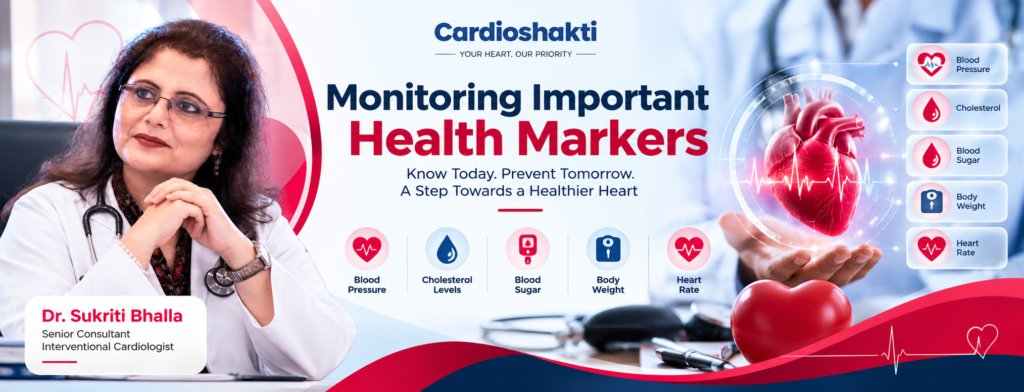
Monitoring Important Health Markers
Regular monitoring can help track progress beyond the weighing scale. Weight is one useful measurement, but other indicators may provide important information. Blood pressure, blood sugar, cholesterol, waist circumference, energy levels, sleep, and physical activity can all help show how lifestyle changes are affecting overall health.
For example, losing even 5% to 10% of body weight may provide health benefits for people carrying excess weight. These can include improvements in blood pressure, blood sugar, and cholesterol-related risk factors. However, individual results differ. Weight-loss targets should be based on personal health needs rather than unrealistic expectations.
Choosing Appropriate Physical Activity
Exercise can support both weight management and cardiovascular health. However, the right activity depends on fitness, age, medical history, mobility, and existing health conditions.
Walking, swimming, cycling, strength exercises, stretching, and other suitable activities can form part of a balanced routine. Physical activity can support weight management and improve cardiovascular risk factors, even beyond its effect on body weight.
People who are currently inactive can start gradually. Increasing movement in manageable steps may be more practical than beginning with an intense exercise schedule. People with known heart conditions or other medical concerns should discuss appropriate activity levels with their healthcare professional at the best weight loss centre in Dwarka.
Why Extreme Weight Loss Approaches Can Be Problematic

Rapid weight loss can appear attractive. However, extreme diets and unrealistic exercise plans may be difficult to maintain. Very restrictive eating can make everyday life challenging. It may also make it harder to obtain a balanced range of nutrients.
Similarly, intense workouts may not be suitable for everyone. A person with a cardiovascular condition, joint problem, or other medical concern may require a modified approach. This does not mean that everyone needs the same pace of weight loss. Instead, the plan should match the person’s health status and circumstances.
A sustainable programme offered by the best weight loss centre in Dwarka focuses on realistic habits. These may include balanced meals, appropriate physical activity, sufficient sleep, stress management, and regular progress tracking. In addition, avoiding an all-or-nothing mindset can make long-term change easier. A single unhealthy meal does not undo progress. Returning to healthier habits at the next opportunity matters more.
The Role of Lifestyle Changes at the Best Weight Loss Centre in Dwarka
Weight management does not end when someone reaches a target number. Maintaining healthy habits is an ongoing process. Several everyday behaviours can influence both weight and cardiovascular health.
Balanced Eating Habits
A heart-conscious eating pattern can include more vegetables, fruits, whole grains, beans, nuts, fish, and other nutritious foods. It can also involve limiting foods high in saturated fat, added sugar, and excess sodium. Portion awareness is equally important. Even nutritious foods can contribute to excess calorie intake when portions are consistently too large.

Regular Movement
Daily movement supports cardiovascular fitness and can help with weight management. People do not always need a gym to become more active. Walking more, taking the stairs when appropriate, performing light strength exercises, or adding movement breaks during the day can contribute to an active lifestyle.
Better Sleep
Sleep should not be overlooked during weight management. Poor sleep can affect hunger, cravings, energy, and motivation. Building a consistent sleep routine can therefore support healthier daily decisions.
Stress Management
Stress can influence eating patterns and lifestyle choices. Some people may eat more during stressful periods, while others may struggle to maintain routines. Simple strategies such as relaxation exercises, mindfulness, structured routines, hobbies, and regular movement developed with the support of the best weight loss centre in Dwarka may help manage everyday stress.
How Medical Supervision Can Make Weight Loss More Individualised
Not everyone responds to weight management strategies in the same way. Some people may lose weight through dietary changes and increased activity. Others may require additional medical support. The appropriate approach depends on health status, weight-related risks, existing conditions, and professional assessment.
This is especially relevant for people managing conditions such as diabetes, hypertension, high cholesterol, or cardiovascular disease. A medically supervised approach by the best weight loss centre in Dwarka can help coordinate weight management with existing healthcare needs. It can also help identify situations where certain exercises, dietary changes, or treatments require additional caution.
Importantly, prescription medicines and other medical treatments should only be used under appropriate professional guidance. The goal should remain safe, personalised, and sustainable progress rather than chasing a particular number on the scale.
What to Look for When Choosing the Best Weight Loss Centre in Dwarka

Choosing the best weight loss centre in Dwarka requires careful consideration. Instead of focusing only on promotional claims, consider whether the programme provides a structured and health-focused approach.
Here are some useful factors to consider:
Professional Medical Guidance
Check whether qualified healthcare professionals are involved in assessing your health and guiding the programme.
Personalised Planning
A generic diet may not address your medical history, food preferences, lifestyle, or daily schedule. Look for an approach that considers individual requirements.
Health Monitoring
A structured programme offered by the medical weight loss clinic Dwarka should consider relevant health measurements. Monitoring can help track changes beyond body weight.
Sustainable Habits
Ask whether the programme teaches practical habits that you can continue after completing the initial weight-loss phase.
Appropriate Physical Activity
The programme should recognise that exercise needs vary. Activity recommendations should suit your health and fitness level.
Ongoing Support
Long-term weight management can be challenging. Regular follow-ups and progress tracking may help people remain consistent.
These factors can help you assess whether a programme focuses on broader health rather than short-term scale changes.
Weight Loss Should Support, Not Replace, Heart Care
Weight management can contribute to better cardiovascular health. However, it should not replace medical treatment for an existing heart condition. If you have chest pain, severe breathlessness, fainting, sudden weakness, or other concerning symptoms, seek urgent medical attention. People with known cardiovascular disease should continue their prescribed treatment and attend recommended medical appointments.
Weight management works best as part of comprehensive health care. For people without diagnosed heart disease, healthy lifestyle changes can still support cardiovascular risk reduction. Regular health checks can also help identify issues such as high blood pressure or abnormal blood sugar.
Final Note
Weight management and heart health are closely connected. Excess weight can contribute to several cardiovascular and metabolic risk factors, while healthy weight management can support improvements in areas such as blood pressure, blood sugar, and cholesterol. A suitable programme can combine health assessment, balanced nutrition, appropriate physical activity, lifestyle changes, monitoring, and ongoing professional support.
If you are looking for the best weight loss centre in Dwarka, consider a platform like CardioShakti that understands the connection between weight management and cardiovascular health. We provide cardiologist-led weight management programmes designed to support healthier weight loss while keeping heart health at the centre of your journey. Visit us now to learn more about our programme.
FAQs
1. Why is heart health important during weight loss?
Heart health matters because excess weight can affect blood pressure, cholesterol, blood sugar, and cardiovascular risk. A balanced plan addresses these factors alongside weight management.
2. Can losing weight improve blood pressure?
Yes, weight loss can help lower blood pressure in many people carrying excess weight. However, individual results vary, and prescribed treatment should continue as advised.
3. Is exercise necessary for healthy weight management?
Physical activity supports weight management and heart health. The suitable amount and intensity depend on individual fitness, medical conditions, mobility, and professional health advice.
4. What should a personalised weight loss plan include?
A personalised plan may consider nutrition, physical activity, medical history, medications, health measurements, lifestyle habits, sleep, stress, and realistic goals for sustainable progress.
5. Is BMI enough to assess weight-related health?
No. BMI is only one assessment tool. Healthcare professionals may also consider waist size, blood tests, family history, medical conditions, and other health factors.