Struggling with extra kilos and increasing blood sugar levels can affect more than your appearance. These changes may indicate underlying metabolic concerns that need proper attention. Excess body weight, particularly around the abdomen, is linked to insulin resistance, type 2 diabetes, and cardiovascular problems. Ignoring these warning signs can make long-term health management more challenging.
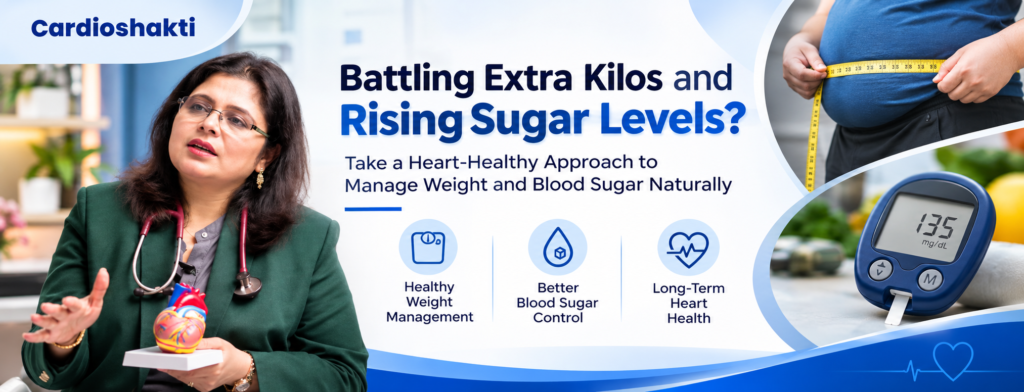
Searching for the best weight loss clinic near me can be a practical first step towards improving your overall well-being. However, successful weight management involves more than following restrictive diets or spending hours exercising. It requires understanding your body’s needs, identifying possible health risks, and developing a sustainable approach. Professional guidance can help you manage your weight while keeping blood sugar, blood pressure, and heart health in focus.
Whether you are dealing with stubborn belly fat, prediabetes or fluctuating glucose levels, the right professional support can make your journey more structured, informed and manageable. This blog covers weight management, blood sugar control, clinic services, healthy lifestyle changes, and medically supervised weight loss solutions.
Understanding the Connection Between Extra Weight and Rising Blood Sugar Levels
Weight gain and elevated blood sugar levels often occur together. Although they are different health concerns, they can influence each other through metabolic processes.
When the body stores excessive fat, particularly around the abdomen, its ability to respond effectively to insulin may decrease. Insulin is a hormone produced by the pancreas that helps glucose move from the bloodstream into cells for energy.
When cells become less responsive to insulin, the pancreas may produce more of this hormone to maintain normal glucose levels. Over time, this compensation may become insufficient, resulting in persistently elevated blood sugar.
This condition is known as insulin resistance and is closely associated with type 2 diabetes.
How Excess Body Fat Affects Insulin Sensitivity
Excess fat tissue can release inflammatory substances and fatty acids that interfere with normal metabolic functions. These changes may affect how the liver, muscles, and other tissues respond to insulin.
Several factors can contribute to this problem:
- Abdominal obesity: Excess fat around the waist is associated with greater metabolic risk.
- Physical inactivity: Limited movement reduces the muscles’ ability to use glucose efficiently.
- Unbalanced eating habits: Frequent consumption of sugary drinks and highly processed foods can make weight and glucose management difficult.
- Poor sleep: Inadequate sleep can influence appetite-regulating hormones and insulin sensitivity.
- Family history: Genetic factors may increase susceptibility to obesity and type 2 diabetes.
Understanding these connections helps explain why weight management should focus on metabolic health rather than appearance alone.
Why Should You Visit the Best Weight Loss Clinic Near Me
Losing weight independently can seem straightforward initially. You may reduce your food intake, start exercising, or follow an online diet programme. However, maintaining progress becomes difficult when the approach does not account for your individual health requirements.

The best weight loss clinic near me offers structured guidance based on your medical history, lifestyle, and health goals.
Identifying the Underlying Causes of Weight Gain
Weight gain does not always result from excessive food consumption. Hormonal changes, certain medications, inadequate sleep, stress, and underlying medical conditions can also contribute.
A qualified medical professional can review your health history and recommend appropriate investigations. This helps identify potential barriers to weight management.
For example, someone with insulin resistance may need a different nutritional and exercise strategy from someone without metabolic concerns.
Monitoring Blood Sugar and Metabolic Health
If you have rising glucose levels, monitoring them should be an important part of your weight management plan.
Depending on your medical history, a healthcare professional may recommend:
- Fasting blood glucose testing.
- HbA1c testing to assess average blood glucose over approximately three months.
- Lipid profile testing to evaluate cholesterol and triglycerides.
- Blood pressure monitoring.
- Liver function assessments when clinically appropriate.
These investigations help establish a baseline and allow your healthcare team to assess changes during treatment.
Receiving Personalised Weight Loss Guidance
Generic diet plans rarely address everyone’s nutritional needs. Your age, activity level, existing medical conditions, food preferences and weight history can influence the most appropriate approach.
A personalised programme from the best weight loss clinic near me helps you understand suitable portion sizes, food combinations and exercise routines.
It also makes it easier to follow a practical routine without unnecessarily eliminating essential food groups.
Building Accountability Through Regular Follow-Ups
Weight management requires consistency. Regular consultations help healthcare professionals evaluate progress, address difficulties, and modify recommendations when necessary.
Rather than focusing exclusively on weekly weight changes, the best weight loss programs near Dwarka, Delhi can also monitor waist circumference, blood glucose, blood pressure, and other relevant health indicators.
How the Best Weight Loss Clinic Near Me Helps Manage Diabetes Risk
Weight reduction with the support of the best weight loss clinic near me can play an important role in preventing or managing type 2 diabetes, particularly among individuals with overweight or obesity.
Losing excess body fat may improve insulin sensitivity, support glucose regulation, and reduce several cardiovascular risk factors. However, results vary depending on individual health conditions and treatment adherence.
Understanding the Benefits of Gradual Weight Reduction
Even modest weight loss can provide meaningful health benefits for people with excess body weight.
A gradual reduction may help:
- Improve insulin sensitivity.
- Support better blood glucose management.
- Reduce abdominal fat.
- Improve blood pressure.
- Support healthier cholesterol levels.
- Reduce stress on weight-bearing joints.
- Improve mobility and everyday energy levels.
The goal should not be extreme weight reduction within a short period. Sustainable progress is generally more beneficial than restrictive methods that are difficult to maintain.
Why Diabetes Patients Need Specialised Weight Management
People living with diabetes may have additional considerations when attempting to lose weight.
For instance, certain diabetes medications can increase the risk of low blood glucose during prolonged exercise or significant dietary changes. Therefore, medication adjustments may be necessary under medical supervision.
A suitable programme should consider:
- Existing diabetes medications and dosage requirements.
- Current glucose readings and HbA1c levels.
- Kidney and liver health.
- Meal timing and carbohydrate distribution.
- Exercise tolerance and cardiovascular fitness.
- The possibility of hypoglycaemia.
People with diabetes should never stop or change prescribed medication simply because their weight or glucose readings improve.
A medically guided approach helps coordinate weight management with ongoing diabetes treatment.
What Services Should You Expect From the Best Weight Loss Clinic Near Me
Choosing the best weight loss clinic near me involves more than comparing packages or promised weight loss figures. You should look for comprehensive services that address your health requirements and provide ongoing professional support.
Here are some important services to consider.
Medical Consultation and Health Assessment
Your journey should begin with a detailed consultation. A healthcare professional should evaluate your current weight, BMI, waist circumference, medical history, and lifestyle habits.
If you have diabetes, hypertension, or an existing heart condition, your assessment should also consider these concerns.
Depending on your health profile, the clinic may recommend blood investigations, an ECG or additional cardiac assessments before suggesting an exercise or weight reduction programme.
Personalised Nutrition and Diet Planning
A balanced diet is central to effective weight management. However, people with elevated blood sugar levels may need additional nutritional considerations.
A suitable diet plan should include:
- Whole grains, pulses and fibre-rich foods.
- Fresh vegetables and appropriate portions of fruit.
- Lean protein sources, including eggs, fish and legumes.
- Healthy fats in controlled quantities.
- Adequate water throughout the day.
It should also limit sugary beverages, refined carbohydrates, and heavily processed foods.
For people seeking a personalised diet plan for weight loss and diabetes, professional nutritional guidance can help balance calorie intake with blood glucose management.
Structured Physical Activity Guidance
Exercise supports weight reduction and improves the body’s ability to use glucose. However, the intensity and type of activity should match your physical condition.
A structured programme may include walking, cycling, swimming, resistance training and flexibility exercises.
People with existing heart conditions or diabetes-related complications should obtain medical advice before starting strenuous activities.
Medical Treatment and Progress Monitoring
Some individuals may benefit from prescription weight management medications alongside lifestyle modifications. However, these treatments are not suitable for everyone.
A doctor should assess eligibility, possible side effects, contraindications, and interactions with existing medicines before recommending any medication or injection.
Regular monitoring is equally important. It helps evaluate whether the treatment remains appropriate and whether any adjustments are necessary.
How to Choose the Best Weight Loss Clinic Near Me for Long-Term Results
Finding the best weight loss clinic near me is easy, but choosing one that prioritises your overall health requires careful consideration. The right facility should focus on realistic goals, qualified professionals, and sustainable lifestyle improvements.
Consider the following factors before making your decision.
Check the Medical Expertise
Look for qualified doctors with relevant experience in obesity management, diabetes care, and cardiovascular health. If you have multiple health concerns, a multidisciplinary team involving doctors and dietitians can provide more comprehensive support.
The best weight loss clinic near me with medical supervision can also identify warning signs that might otherwise go unnoticed during an independent weight loss journey.
Look for Individualised Treatment Programmes
Avoid programmes that offer identical diet charts and exercise routines to every patient. Your treatment should reflect your medical history, nutritional requirements, fitness level and personal goals.
For example, an individual with hypertension and diabetes may need closer monitoring than someone without these conditions.
Understand the Treatment Approach
Ask whether the clinic combines dietary changes, physical activity, behavioural support and medical interventions where appropriate. Be cautious of unrealistic guarantees, crash diets and programmes that promote unverified supplements.
Safe weight loss treatment for people with diabetes should always involve appropriate clinical assessment and monitoring.
Evaluate Follow-Up and Maintenance Support
Losing weight is only one part of the process. Maintaining your progress requires consistent lifestyle habits. Choose the best weight loss clinic near me that offers regular consultations, progress assessments, and guidance after the initial programme.
A good maintenance strategy should help you manage setbacks without returning to unhealthy eating patterns or restrictive dieting.
Lifestyle Changes That Support Weight Loss and Healthy Blood Sugar Levels
Professional treatment becomes more effective when supported by healthy everyday habits. Small, consistent changes can gradually improve metabolic health and make weight management easier.
Here are some practical habits worth incorporating into your routine.
Choose Balanced Meals Instead of Restrictive Diets
Avoid skipping meals or following extreme calorie restrictions. These practices can affect energy levels and make long-term adherence difficult. Build balanced meals containing vegetables, protein, fibre-rich carbohydrates, and healthy fats.
For example, a meal could include dal, vegetables, a suitable portion of roti or brown rice, and curd. A healthy Indian diet for weight loss and blood sugar control should focus on nutritional balance, appropriate portions, and foods that suit your medical requirements.
Increase Daily Physical Activity
You do not necessarily need an expensive gym membership to become more active. Start with manageable activities and gradually increase their duration and intensity.
Consider:
- Walking after meals, if medically appropriate.
- Taking short movement breaks during work.
- Using stairs when comfortable.
- Practising yoga or gentle stretching.
- Including resistance exercises under suitable guidance.
Regular activity can help improve glucose utilisation and support cardiovascular fitness.
Improve Sleep Quality
Poor sleep can affect appetite regulation, insulin sensitivity and energy levels. Adults generally benefit from maintaining a consistent sleep schedule and getting sufficient rest.
Avoid excessive screen exposure before bedtime and limit late-night caffeine consumption. If you experience persistent snoring, interrupted sleep, or daytime fatigue, discuss these symptoms with a healthcare professional.
Manage Stress Effectively
Chronic stress can influence eating behaviour and hormonal responses. Some people may experience increased cravings or emotional eating during stressful periods. Simple relaxation techniques can help establish healthier routines.
Try meditation, breathing exercises, enjoyable hobbies, or spending time outdoors. Professional support may also help if stress is affecting your eating habits or daily functioning.
Track Your Progress Beyond the Weighing Scale
Body weight alone cannot provide a complete picture of your health.
Consider monitoring other indicators, including:
- Waist circumference.
- Blood pressure.
- Fasting blood glucose.
- HbA1c levels.
- Cholesterol levels.
- Physical endurance and energy levels.
Tracking these measurements with professional guidance can help you recognise improvements that may not immediately appear on the weighing scale.
Common Weight Loss Mistakes That Can Affect Blood Sugar Management
Many people unknowingly follow habits that make weight reduction and glucose control more difficult.
Recognising these mistakes can help you make better decisions.
- Following crash diets: Extremely restrictive diets may cause nutritional deficiencies, fatigue, and unsustainable eating patterns.
- Eliminating all carbohydrates: Carbohydrates are an important energy source. Choosing appropriate portions and fibre-rich options is generally more useful than eliminating them.
- Depending on weight loss supplements: Unverified products may contain unsafe ingredients or interact with existing medications.
- Ignoring strength training: Resistance exercises help preserve muscle mass, which is important during weight reduction.
- Expecting immediate results: Weight loss takes time. Daily fluctuations are normal and do not necessarily indicate treatment failure.
- Stopping diabetes medication independently: Improved glucose readings do not automatically mean that prescribed treatment is no longer necessary.
The best approach combines realistic expectations, consistent habits, and professional medical supervision.
When Should You Seek Professional Help for Weight and Blood Sugar Concerns
Not every weight fluctuation requires medical intervention. However, certain changes deserve professional attention, particularly when they occur alongside other symptoms.
Consider consulting a healthcare professional if you experience:
- Gradual but persistent weight gain.
- Increasing waist circumference.
- Repeatedly elevated fasting blood glucose.
- Unusual thirst or frequent urination.
- Persistent fatigue or unexplained weakness.
- Difficulty losing weight despite consistent lifestyle changes.
- Existing diabetes, hypertension, or cardiovascular disease alongside obesity.
If you experience excessive thirst, frequent urination or unexplained weight changes, arrange appropriate blood glucose testing rather than relying on symptoms alone.
Seek urgent medical attention for severe symptoms such as confusion, fainting, chest pain or difficulty breathing. Early assessment can help identify underlying concerns and establish an appropriate treatment plan.
Conclusion
Managing extra kilos and rising blood sugar levels requires a thoughtful approach that prioritises long-term health. A combination of balanced nutrition, regular physical activity, medical assessments, and consistent monitoring can help improve weight management and metabolic health. Choosing the right clinic can make this journey more structured and easier to maintain.
If you are looking for the best weight loss clinic near me, then you can rely on us at CardioShakti. Our professional guidance addresses both weight reduction and cardiovascular health. Additionally, we offer cardiologist-supervised weight management programmes under Dr. Sukriti Bhalla, combining personalised nutrition, medical assessments, and ongoing support. Visit our website now to explore our programmes and take an informed step towards a healthier lifestyle.
FAQs
1. Can losing weight help reduce high blood sugar levels?
Yes, gradual weight loss can improve insulin sensitivity and glucose regulation. However, individual results vary, and diabetes medication may still be necessary.
2. How do I choose the best weight loss clinic near me?
Look for qualified doctors, personalised diet plans, appropriate health assessments, medically supervised treatments, and regular follow-ups that support sustainable weight management.
3. Is medical supervision necessary for weight loss with diabetes?
Medical supervision is important because dietary changes and exercise can affect glucose levels. Doctors can adjust treatment recommendations and monitor potential complications.
4. What tests are recommended before starting a weight loss programme?
Depending on medical history, doctors may recommend BMI assessment, fasting glucose, HbA1c, lipid profile, blood pressure measurements, and additional cardiac investigations.
5. How long does it take to achieve healthy weight loss?
Healthy weight loss varies between individuals. Progress depends on starting weight, medical conditions, lifestyle changes, and treatment adherence, making regular professional assessments important.