Weight loss is often discussed in terms of appearance, clothing sizes, and fitness goals. However, maintaining a healthy weight is also closely linked with your heart health. Carrying excess weight can increase the risk of conditions such as high blood pressure, diabetes, and high cholesterol. These conditions may place additional strain on the heart over time. Choosing a safe weight loss program Delhi residents can trust is therefore about more than losing kilograms quickly. It should focus on healthy, sustainable weight management while considering your overall health.
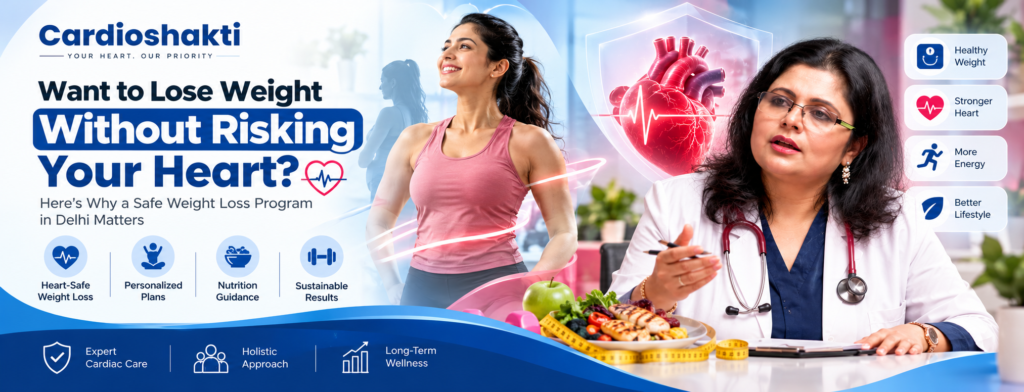
A well-planned programme can combine nutritional guidance, physical activity, lifestyle changes and appropriate health monitoring. This approach can help you lose weight without relying on extreme diets or unrealistic routines. People with existing health concerns need to be particularly careful. Rapid weight loss methods may not be suitable for everyone. Medical guidance can help ensure that your weight management plan considers your individual needs and health risks.
In this blog, we will explore how safe weight management can support your heart, why medical supervision matters, what lifestyle habits can help, and how to choose the right programme in Delhi.
Why Does Excess Weight Affect Heart Health
Your body needs energy to function, but carrying more weight than your body requires can affect several systems. Over time, excess body fat may contribute to metabolic and cardiovascular problems. One concern is increased blood pressure. When blood pressure remains high, the heart has to work harder to circulate blood around the body. Persistent high blood pressure can increase the risk of cardiovascular complications.
Excess weight can also be associated with unhealthy cholesterol levels. Cholesterol is important for normal body functions, but an unhealthy balance can contribute to fatty deposits inside blood vessels. Another important factor is blood sugar. Excess body weight can increase the likelihood of insulin resistance and type 2 diabetes.
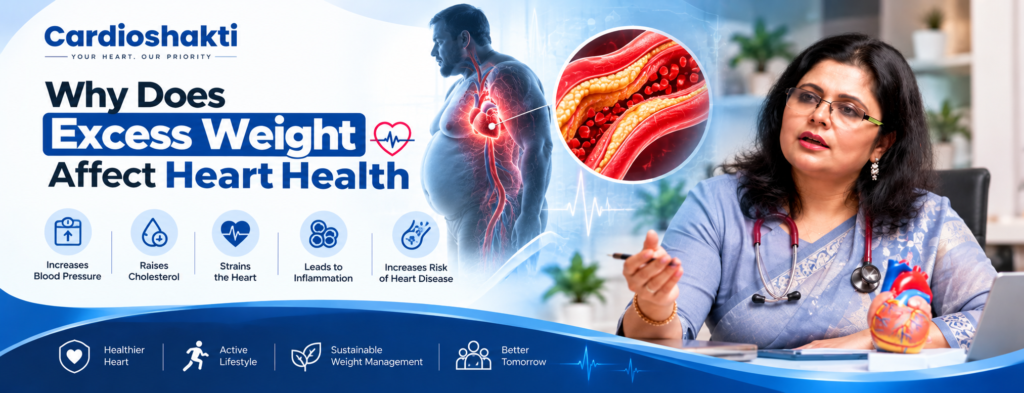
Diabetes is a recognised risk factor for cardiovascular disease. This is why weight management should not be viewed as a short-term appearance goal. It can be an important part of protecting your long-term health.
How a Safe Weight Loss Program Delhi Can Support Your Heart
A safe weight loss program Delhi should focus on gradual, sustainable progress rather than promising instant results. The aim is to improve your health while helping you achieve realistic weight-management goals.
A medically guided programme can begin with an assessment of your current health. Depending on your circumstances, this may include checking blood pressure, blood sugar, body mass index, cholesterol and other relevant markers. This information can help identify factors that may affect your weight-loss journey.
Personalised Plans Can Improve Consistency
Everyone responds differently to food, exercise and lifestyle changes. A diet that suits one person may not be right for someone else. A personalised plan can consider your daily routine, food preferences, activity levels and health requirements.
For example, someone with diabetes may need a different nutritional strategy from someone without blood sugar concerns. Similarly, people with cardiovascular conditions may require specific guidance before increasing exercise intensity. A medically supervised weight loss programme for heart patients can therefore provide a more cautious and individualised approach when existing health concerns are present.
Sustainable Progress Is More Important Than Extreme Results

Very restrictive diets can be difficult to maintain. They can also make it difficult to get all the nutrients your body needs. A sustainable programme focuses on habits that can become part of your normal routine. This may include balanced meals, sensible portions, regular movement and better sleep. The objective is not simply to reach a number on the scales. It is to develop habits that support your health after the initial weight-loss period.
What Should You Look for in a Safe Weight Loss Program Delhi
With many weight-loss options available, choosing the right programme can feel confusing. A safe weight loss program Delhi should place your health ahead of quick results.
Medical Assessment Before Starting
A professional assessment can help identify health concerns that may influence your weight-loss plan. Blood pressure, blood sugar, and other relevant markers may need to be reviewed.
People with symptoms or existing medical conditions may require further evaluation. This is particularly important if you have diabetes, hypertension, high cholesterol, or a history of heart disease.
Personalised Nutrition Guidance
Food plays an important role in both weight management and cardiovascular health. A balanced diet can include vegetables, fruits, whole grains, lean protein and appropriate sources of healthy fats. At the same time, highly processed foods, excessive salt, and added sugars should be limited.

A diet plan should be practical enough to follow in everyday life. A personalised diet plan for healthy weight loss in Delhi can help individuals make suitable food choices without following unnecessary restrictions.
Regular Health Monitoring
Weight is only one part of your health picture. Changes in blood pressure, blood sugar, and other measurements can provide useful information about your progress.
Regular monitoring can help identify concerns early. It can also help a cardiologist doctor in Delhi adjust your plan when needed. A structured programme may therefore be more useful than simply following a generic diet found online.
How Healthy Weight Loss Can Improve Cardiovascular Risk Factors
Losing excess weight can support improvements in several factors linked with heart health. However, results differ from person to person.
Supporting Healthy Blood Pressure
Excess weight can contribute to high blood pressure. Losing weight through sustainable lifestyle changes and a safe weight loss program Delhi may help some people achieve healthier readings. Reducing excess salt, becoming more active, and eating a balanced diet can also support blood pressure management.
If you already take blood pressure medication, do not change your dose without medical advice. Weight loss can alter health measurements, so continued monitoring is important.
Helping Manage Blood Sugar
Healthy weight management can be particularly important for people at risk of type 2 diabetes. Regular physical activity and balanced meals can help support better blood sugar management. For people already taking diabetes medication, professional supervision is important during significant weight changes.

Safe weight loss for people with diabetes and heart risk should always consider the individual’s medical history and current treatment.
Supporting Healthier Cholesterol Levels
Diet, activity and weight management can all play a role in cholesterol health. Reducing foods high in saturated fats while choosing more fibre-rich foods can support healthier eating patterns.
Some people may still need medication to manage cholesterol. Lifestyle changes should therefore complement, rather than replace, medical treatment when treatment is prescribed.
Why Exercise Matters During Healthy Weight Loss
Physical activity is another important part of cardiovascular health. Regular movement can help burn energy, improve fitness, and support healthy weight management. However, exercise should be appropriate for your fitness level and medical condition.
Someone inactive for several years should not suddenly begin an intense workout routine. Starting with manageable activities, such as walking, may be more practical.
People with heart conditions, significant breathlessness, chest discomfort or other concerning symptoms should seek appropriate medical advice before beginning a new exercise programme.
Combining Cardio and Strength Activities
Cardiovascular activities can improve fitness and endurance. Walking, cycling and swimming are examples of activities that can raise your heart rate. Strength training can also support muscle health and functional fitness.
The right combination depends on your health and goals. You do not necessarily need extremely intense workouts to make progress. Consistency is often more valuable than occasional periods of excessive exercise.
How Lifestyle Changes Can Make Weight Loss More Heart-Friendly
A safe weight loss program Delhi should not focus only on food and exercise. Other daily habits can also influence cardiovascular wellbeing.
Get Enough Sleep
Poor sleep can affect appetite, energy, and daily routines. It may make healthy eating and regular exercise harder to maintain. Try to establish a consistent sleep schedule and create a relaxing bedtime routine. If you regularly experience severe sleep problems, discuss them with a cardiologist doctor in Delhi.
Manage Everyday Stress
Long-term stress can influence eating habits and physical activity. Some people may eat more when stressed, while others may struggle to maintain regular routines. Simple habits such as walking, breathing exercises, hobbies, and social activities can support better stress management. You do not need to eliminate every source of stress. Instead, focus on developing healthier ways to manage it.
Avoid Smoking
Smoking is a major cardiovascular risk factor. If you smoke, quitting can provide significant benefits for your heart and overall health. Weight management should therefore form part of a wider approach to improving cardiovascular wellbeing.
Why Medical Supervision Can Make Weight Loss Safer
Online diets and quick-fix programmes can be tempting because they promise fast results. However, they may not consider your medical history or individual needs. Medical supervision provides an opportunity to identify potential risks before you begin. This can be particularly important for people taking regular medication or living with conditions such as diabetes, hypertension, or heart disease.
A healthcare professional can also monitor your progress and recommend adjustments when appropriate. A cardiologist-supervised weight loss program for better heart health may be particularly relevant for individuals who want weight management to form part of a broader cardiovascular health strategy. Medical supervision does not mean that every person needs extensive testing or medication. The appropriate approach depends on individual circumstances and professional assessment.
How to Maintain Weight Loss with a Safe Weight Loss Program Delhi for Better Heart Health
Losing weight is only one part of the journey. Maintaining your progress is equally important. Once you reach a healthier weight, continue following balanced eating habits. Avoid returning to extreme patterns of restriction followed by overeating.
Keep physical activity as part of your routine. Even when your weight has stabilised, movement continues to support cardiovascular fitness. Regular health checks can also help you monitor important measurements such as blood pressure, blood sugar and cholesterol.
Set realistic goals and focus on progress rather than perfection. Occasional changes in weight are normal. What matters is developing habits that remain manageable over time. A long-term and safe weight loss program Delhi for cardiovascular health should focus on sustainable routines rather than temporary diets.
Final Thoughts
Healthy weight loss is not simply about looking slimmer. It can be an important step towards improving several factors that influence cardiovascular health. Managing excess weight may support healthier blood pressure, blood sugar, and cholesterol levels while encouraging a more active lifestyle. However, every person’s needs are different. A safe weight loss program Delhi that is safe for one individual may not be suitable for another. This is why professional assessment, personalised nutrition and appropriate health monitoring can make a meaningful difference.
For people looking for a structured approach that connects weight management with cardiovascular wellbeing, they can rely on us at CardioShakti. We offer a cardiologist-led weight-loss programme in Delhi that combines medical supervision, personalised dietary guidance, and health monitoring to keep heart health central to the weight-loss journey. To book a consultation right now, visit our website today.
FAQs
1. Can losing weight improve heart health?
Yes. Healthy weight loss may support blood pressure, blood sugar, cholesterol, and overall cardiovascular health, especially when combined with regular physical activity and balanced nutrition.
2. Is rapid weight loss safe for everyone?
No. Rapid weight loss may not suit everyone, particularly people with medical conditions. Professional guidance can help determine a safer and more appropriate approach.
3. Can people with heart disease join a weight-loss programme?
People with heart disease may benefit from weight management, but their programme should consider their condition, medications, fitness level, and cardiovascular risks under appropriate medical supervision.
4. What should a heart-friendly weight-loss plan include?
A heart-friendly plan should include balanced nutrition, suitable physical activity, realistic goals, regular monitoring, and professional guidance based on your health history and individual requirements.
5. How can I maintain weight loss after reaching my goal?
Maintain balanced meals, regular activity, adequate sleep, and healthy routines. Periodic health checks can also help you monitor progress and address changes early.