Obesity is more than a concern about body weight or appearance. It is a complex health condition that can increase the risk of several serious medical problems, including type 2 diabetes, high blood pressure, heart disease, sleep apnoea, and joint disorders. Managing excess weight through sustainable lifestyle changes and appropriate medical guidance can help reduce these risks and improve overall well-being.

When searching for the best weight loss centers near me, it is important to look beyond quick weight-loss promises and consider programmes that focus on long-term health. Professional weight management centres can provide structured support through nutritional guidance, physical activity recommendations, behavioural counselling and, where appropriate, medical assessment. These approaches help individuals understand the factors contributing to weight gain and develop practical strategies to achieve healthier outcomes.
Understanding how weight loss centres address obesity-related health risks can help you make informed decisions about your care. This blog explores how weight loss centres help address obesity-related health risks through personalised nutrition, physical activity, medical supervision, and sustainable weight-management strategies.
Understanding the Health Risks Associated With Obesity
Obesity occurs when excessive body fat accumulates to a level that may affect health. Body mass index (BMI) is commonly used as a screening tool, although healthcare professionals may also consider waist circumference, medical history, and other indicators to assess an individual’s health risks.
Excess body fat can influence hormonal activity, metabolism, inflammation, and the way the body processes glucose. These changes may contribute to several chronic conditions, making early intervention and consistent weight management important.
Increased Risk of Heart Disease and High Blood Pressure
Excess body weight can increase the workload on the heart and place additional stress on the cardiovascular system. It is associated with a higher likelihood of high blood pressure, abnormal cholesterol levels, and other risk factors that contribute to heart disease. Over time, these factors can increase the risk of heart attacks and strokes.
A structured weight-management programme offered by the best weight loss centers near me can support healthier eating patterns, regular movement, and improved control of cardiovascular risk factors. For people with existing heart conditions, a healthcare professional can recommend suitable activities and monitoring based on their individual needs.
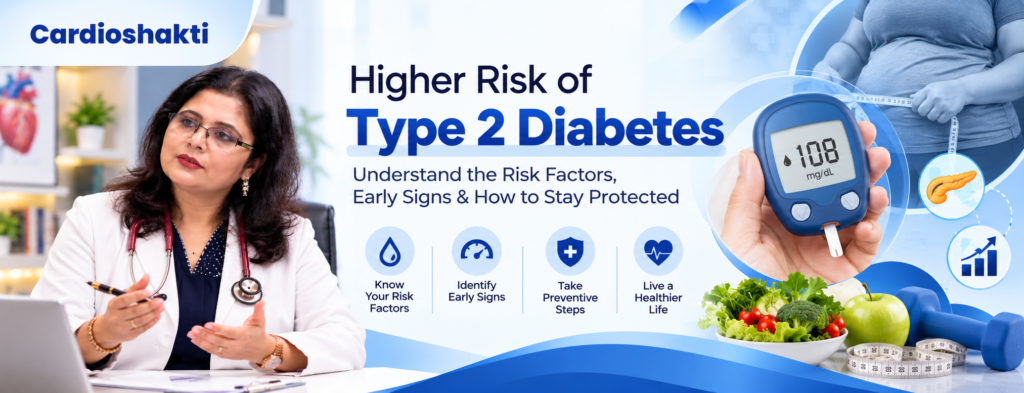
Higher Risk of Type 2 Diabetes
Obesity, particularly excess abdominal fat, is associated with insulin resistance. This occurs when the body’s cells respond less effectively to insulin, making it harder to regulate blood glucose levels. Over time, insulin resistance can contribute to prediabetes and type 2 diabetes.
Losing a modest amount of excess weight, when medically appropriate, can improve insulin sensitivity and metabolic health. A balanced diet, consistent physical activity, and professional monitoring can help people manage their risk more effectively.
Joint Problems and Sleep Disorders
Excess body weight increases the mechanical load on weight-bearing joints, potentially worsening knee and hip discomfort. Obesity is also linked to obstructive sleep apnea, a sleep disorder characterized by repeated interruptions in breathing throughout the night.
Weight management may help reduce symptoms and improve mobility in some individuals. However, joint pain and sleep disturbances may require separate medical assessment and treatment alongside weight-management support.
How Can the Best Weight Loss Centers Near Me Help Reduce Health Risks
The best weight loss centers near me should offer more than a standard diet chart or a generic exercise routine. Effective programmes focus on understanding an individual’s health status, identifying relevant risk factors, and developing achievable strategies for sustainable progress.

Comprehensive Health and Weight Assessment
A professional assessment can help identify factors that influence weight and overall health. Depending on the circumstances of an individual, this may include:
- Reviewing medical history, medications, and previous weight-management attempts.
- Assessing weight trends, BMI, and waist circumference.
- Checking blood pressure and reviewing cholesterol or blood glucose results when indicated.
- Discussing sleep quality, stress, eating patterns, and physical activity.
- Identifying mobility limitations and other health concerns that may affect exercise.
These findings help healthcare professionals determine which interventions may be appropriate. For example, someone with hypertension may require exercise recommendations that account for their blood pressure, while someone with diabetes may need guidance on meals, activity and glucose monitoring.
Personalised Weight-Management Plans
A personalised programme offered by the best weight loss clinic near me considers more than a target number on the scales. It takes account of health conditions, food preferences, work schedules, physical abilities and realistic lifestyle changes.
People looking for medically supervised weight loss programmes for obesity should prioritise services that tailor recommendations to individual needs. A suitable plan may combine nutrition education, gradual increases in activity, behavioural support and regular reviews.
Personalisation also helps make a programme practical. Instead of following restrictive rules that are difficult to maintain, individuals can learn to make healthier choices that fit their everyday routines.
Ongoing Monitoring and Professional Support
Regular follow-ups help track progress and identify challenges before they become major obstacles. Healthcare professionals can review changes in weight, waist circumference, blood pressure, or other relevant measurements and adjust recommendations when necessary.

Progress is not always linear. Temporary plateaus, changes in routine, and emotional challenges can affect consistency. Ongoing guidance can help individuals respond constructively instead of turning to extreme diets or unproven weight-loss products.
The Role of Nutrition and Physical Activity in Managing Obesity
Nutrition and movement are central to many evidence-based weight-management programmes. The aim is to develop sustainable habits that support energy balance, preserve physical function and improve health markers.
Building a Balanced, Sustainable Diet
A balanced eating plan can help individuals manage calorie intake while meeting their nutritional requirements. Rather than eliminating entire food groups without medical justification, a programme may encourage a varied diet that includes vegetables, fruit, whole grains, pulses, lean protein sources and appropriate amounts of healthy fats.
People seeking personalised diet plans for sustainable weight loss can benefit from learning about portion sizes, meal planning and reading food labels. Depending on individual needs, a nutrition professional may also recommend reducing excess added sugars, highly processed foods and high-sodium choices.
Regular meals and planned snacks may help some people manage hunger, although the best approach varies. Dietary changes should be realistic, nutritionally adequate and compatible with cultural preferences, medical conditions and available food choices.
Introducing Appropriate Physical Activity
Regular physical activity can support weight management, cardiovascular fitness, blood glucose regulation, muscle strength and mental well-being. It does not have to begin with intense workouts.
Walking, swimming, cycling, chair-based exercises and strength training may be suitable options, depending on physical ability and health status. Individuals who have been inactive for a long time should begin gradually and increase activity as their tolerance improves.
Those searching for weight loss programmes for people with heart conditions should obtain medical advice before starting a demanding exercise routine. A healthcare professional can help determine whether further assessment or supervised exercise is needed.

Developing Habits That Last
Long-term success depends on consistency rather than short bursts of restrictive dieting. Useful habits may include maintaining a regular sleep schedule, planning meals, setting achievable activity goals, and monitoring progress without becoming overly focused on daily weight fluctuations.
Behavioral strategies can also help individuals recognise emotional eating triggers, manage stress, and respond to setbacks. These skills make it easier to maintain progress when everyday responsibilities or unexpected challenges disrupt routines.
How to Choose the Best Weight Loss Centers Near Me
Selecting the best weight loss centers near me is an important step towards safer and more effective weight management. Not every programme offers the same level of supervision, personalisation or ongoing support. Before enrolling, consider whether the services align with your health needs and goals.
Check Professional Qualifications and Medical Oversight
Look for appropriately qualified healthcare professionals and transparent information about the services offered. If you have diabetes, hypertension, heart disease, or another chronic condition, ask whether the programme can coordinate weight management with your existing medical care.
A responsible centre should recognise when a person needs further assessment or referral to another specialist. It should also explain the expected benefits, limitations and potential risks of recommended interventions.
Evaluate the Programme’s Approach
When comparing the best weight loss centers near me, consider whether they offer practical nutrition advice, suitable activity recommendations, progress reviews and behavioural support.

Be cautious of programmes that promise dramatic results in a very short period, recommend unverified products or encourage extreme calorie restriction without appropriate supervision. Sustainable weight management generally requires ongoing changes rather than a single quick fix.
Ask how progress is measured, how often follow-ups take place, and whether the programme can adapt to changes in your health or routine.
Understand Costs and Accessibility
Before making a decision, request a clear breakdown of consultation fees, programme charges, follow-up costs and any additional services. Check whether the location, appointment schedule and available support are practical for your circumstances.
Accessibility matters because regular participation is often easier when appointments fit comfortably into daily life. Choosing a programme that you can follow consistently may be more valuable than selecting one based solely on its advertised results.
Medical Treatments and Long-Term Obesity Management
Lifestyle changes form an important part of weight management, but some individuals may require additional medical interventions. The appropriate approach depends on factors such as BMI, obesity-related complications, previous treatment attempts, and overall health.
When Medical Treatment May Be Appropriate
A healthcare professional may consider prescription weight-management medication for eligible individuals after assessing potential benefits, risks, and contraindications. These medicines are generally used alongside lifestyle interventions, not as replacements for nutritional guidance and physical activity.
Medication choice and monitoring require individual clinical judgement. People should not use prescription medicines without appropriate medical advice or purchase unverified weight-loss products that claim to produce rapid results.
For some people with severe obesity or significant obesity-related complications, metabolic or bariatric surgery may also be considered. Eligibility, possible complications, expected outcomes, and the need for long-term follow-up should be discussed with a qualified specialist.

Monitoring Improvements Beyond Weight
A comprehensive programme offered by the best weight loss centers near me should assess health improvements as well as changes in body weight. Depending on the person’s condition, useful indicators may include:
- Blood pressure and cholesterol levels.
- Blood glucose or HbA1c levels.
- Waist circumference and changes in body composition, where appropriate.
- Exercise tolerance, mobility and daily functioning.
- Sleep quality and symptoms associated with existing conditions.
These measures provide a broader picture of progress. Even when weight changes slowly, improvements in physical activity, nutrition or certain health markers may represent meaningful progress.
Maintaining Results Over Time
Weight regain can occur because appetite, metabolism, habits, and environmental factors influence long-term weight regulation. This does not mean that a person has failed. It highlights the importance of maintenance strategies and continued support.
A sustainable maintenance plan may include regular follow-ups, balanced meals, consistent movement, adequate sleep, and early action when old habits return. Adjustments should be based on individual needs rather than rigid rules.
People with chronic conditions should continue their prescribed treatment and routine medical reviews even when their weight or health markers improve. Weight management is one part of comprehensive healthcare, not a substitute for it.
Final Notes
Addressing obesity-related health risks requires a practical, individualised approach that focuses on long-term health rather than rapid weight reduction. Nutritional improvements, suitable physical activity, behavioural support and medical guidance can help people work towards healthier weight management and better control of relevant risk factors. When evaluating the best weight loss centers near me, prioritise qualified professionals, personalised care, transparent treatment options and regular progress monitoring.
For those exploring structured weight-management support, they can rely on us at CardioShakti. We provide a starting point for learning more about our approach to weight management and heart health. Visit our website now to explore the available information and determine whether our services align with your needs.
FAQs
1. How do weight loss centres help reduce obesity-related health risks?
Weight loss centres may offer personalised nutrition, activity guidance and medical monitoring to support healthier weight management and improve relevant risk factors, depending on individual circumstances.
2. How much weight loss can improve health?
Losing around 5–10% of initial body weight may improve certain metabolic risk factors for some people, although individual results vary and smaller changes can also matter.
3. Should I consult a doctor before starting a weight loss programme?
Yes, particularly if you have diabetes, high blood pressure, heart disease, take regular medication or have mobility concerns. Medical advice helps determine suitable, safer strategies.
4. Are medical weight loss programmes suitable for everyone?
No. Suitability depends on medical history, health risks, treatment goals, and available services. A qualified healthcare professional can recommend appropriate options after an individual assessment.
5. How can I maintain my weight loss results?
Maintain balanced eating habits, regular physical activity, adequate sleep, and follow-up support. Review your progress regularly and seek professional guidance if weight regain or health concerns develop.